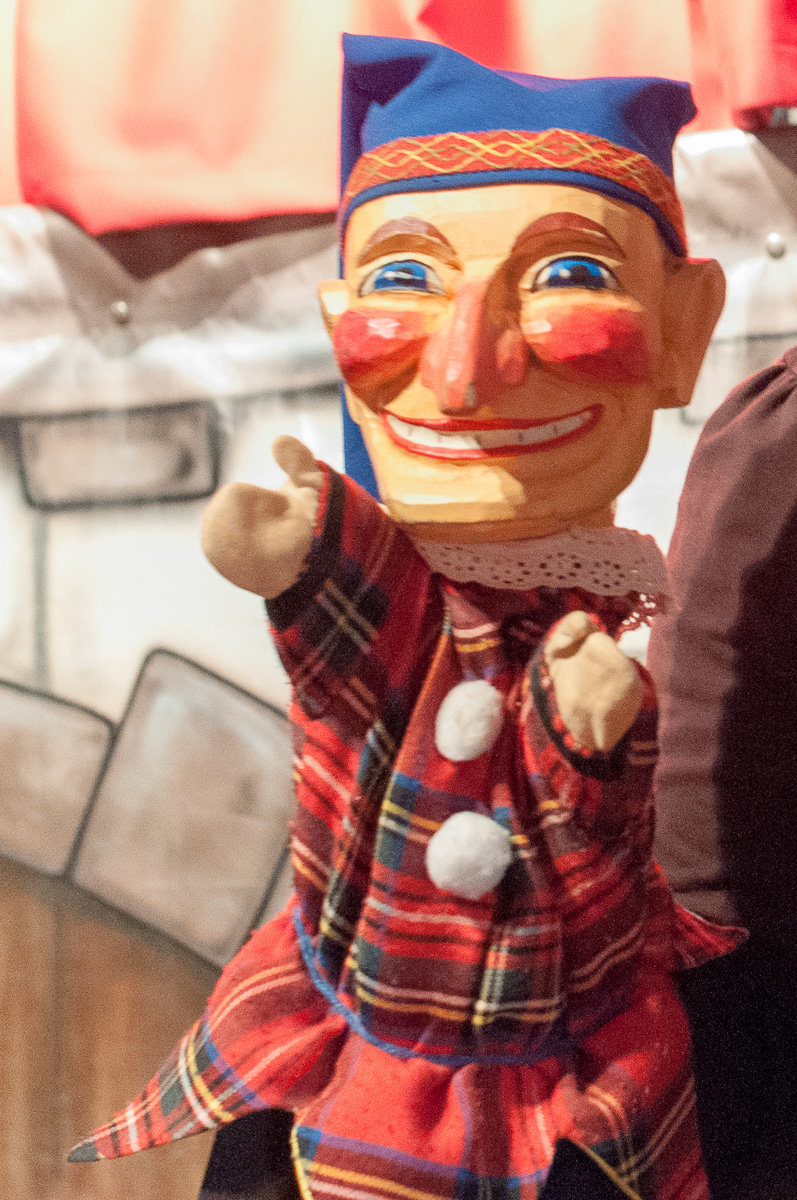
Why Kasper Dominates Funny Puppet Crossword Clues
Crossword puzzles are a delightful mental workout, offering a blend of linguistic challenge and cultural knowledge. Among the myriad of clues, some stand out for their consistent answers, almost becoming an inside joke among seasoned solvers. One such clue, particularly prevalent in German-speaking crosswords, is "Lustige Puppenspielfigur," which translates to "funny puppet character." If you've ever pondered this intriguing phrase in a puzzle, chances are the answer, almost invariably, points to a specific, beloved figure: Kasper (or its alternate spelling, Kaspar).
But why does Kasper hold such a dominant position in the realm of funny puppet crossword clues? It’s more than just a coincidence; it's a testament to his enduring cultural significance, his perfectly fitting persona, and a specific six-letter advantage that makes him an ideal crossword solution. Let's delve into the world of traditional puppetry and unravel why Kasper is the go-to answer for this charmingly specific clue.
Unpacking the "Lustige Puppenspielfigur" Clue
The clue "Lustige Puppenspielfigur" is wonderfully descriptive. It asks for a puppet character that is explicitly funny or amusing. In crossword design, clues can range from straightforward definitions to cryptic riddles, but this one leans towards the descriptive and culturally specific. The beauty of such a clue lies in its ability to evoke a specific, well-known archetype within a particular cultural context.
- "Lustige" (Funny/Amusing): This immediately narrows down the field, focusing on characters whose primary role is comedic.
- "Puppenspielfigur" (Puppet Character): This specifies the medium – we're looking for a puppet, not a human comedian or a cartoon character.
Crucially, as various crossword databases confirm, solutions for "Lustige Puppenspielfigur" are almost always six letters long. This length constraint is a vital piece of the puzzle, guiding solvers towards the correct answer. It's this combination of descriptive accuracy and structural fit that elevates Kasper to his prominent position.
Meet Kasper: The Quintessential Funny Puppet
To understand Kasper's dominance, one must first understand Kasper himself. Originating in Germany in the 17th century, Kasper (often called Kasperl in Austria and Bavaria, or Kasperle in Swabia) is the German equivalent of the English Punch, the Italian Pulcinella, or the French Polichinelle. He is a central figure in traditional German puppet theatre, known as Kasperltheater.
Characteristics of Kasper:
- Appearance: Traditionally depicted with a red pointed cap, a long nose, and a cheerful, often mischievous grin.
- Personality: Kasper is the ultimate trickster. He's witty, cheeky, brave, a bit clumsy, and always ready with a joke or a clever retort. He often finds himself in comical situations, usually triumphing over villains, outsmarting authority figures, or just causing delightful chaos.
- Role in Shows: His performances are typically improvisational and highly interactive, engaging children and adults alike with his slapstick humour, quick wit, and moral lessons (often delivered inadvertently). He fights crocodiles, devils, witches, and sometimes even the local policeman, always with a good dose of humour.
Given this profile, it's evident why Kasper perfectly embodies the "funny puppet character" clue. His entire existence is predicated on being amusing, entertaining, and quintessentially a puppet. This strong association makes him a primary candidate for the crossword solution. His cultural ubiquity in German-speaking regions ensures that he's a widely recognized figure, making the clue solvable for many.
The 6-Letter Advantage: Why Kasper and Kaspar Reign Supreme
The most compelling reason for Kasper's dominance in this specific crossword clue lies in a practical constraint: the letter count. The overwhelming majority of crossword puzzles asking for a "Lustige Puppenspielfigur" are looking for a six-letter answer. This immediately narrows the field of possibilities significantly. And lo and behold, both popular spellings of our beloved character fit perfectly:
- KASPER (6 letters)
- KASPAR (6 letters)
The fact that two commonly accepted spellings both fulfill the six-letter requirement further solidifies his position. While "Kasper" is often cited as the more frequently retrieved or sought-after solution today, "Kaspar" remains a perfectly valid alternative, giving solvers a slight variation to consider if one spelling doesn't quite fit existing letters in the grid. This flexibility within the strict letter count makes him an ideal candidate for crossword setters.
This isn't just anecdotal; various crossword databases and solution aggregators confirm that when "Funny Puppet Character: 6-Letter Answers Revealed" is the query, Kasper (and Kaspar) consistently emerge as the top results. It's a testament to how specific structural constraints, combined with cultural relevance, can lead to a singularly dominant solution.
Mastering "Funny Puppet" Clues: Tips for Crossword Enthusiasts
Understanding why Kasper dominates this clue can actually make you a better crossword solver. Here are some practical tips when encountering similar culturally specific or descriptive clues:
- Always Check Letter Count First: Before even thinking of answers, note the number of letters. For "Lustige Puppenspielfigur," knowing it's six letters immediately points you towards Kasper/Kaspar. This is the single most critical piece of information.
- Consider Cultural Context: If the puzzle is German (or from a German-speaking region), think of prominent German cultural figures. If it were an English puzzle, "Punch" (5 letters) might be a strong contender for "Mischievous puppet."
- Embrace Synonyms and Variations: While "Lustige Puppenspielfigur" is quite direct, some clues might use "amusing puppet," "jesting doll," or similar phrases. Keep an open mind for synonymous terms.
- Learn About Archetypal Characters: Many cultures have their own versions of trickster figures, wise old men, or funny puppets. Familiarity with these global archetypes can unlock many clues.
- Don't Be Afraid of Alternate Spellings: As seen with "Kasper" vs. "Kaspar," sometimes a clue has two perfectly valid answers that fit the same letter count. If one doesn't work with crossing letters, try the other.
- Utilize Cross-References: If you're stuck on "Lustige Puppenspielfigur," try solving other clues in the vicinity. The letters you fill in will provide hints for the difficult clue.
For more specific insights into this beloved character as a crossword solution, you might find value in exploring Kasper: The Popular Funny Puppet Crossword Solution, which delves deeper into his specific appeal.
Beyond Kasper: A Glimpse at Other Amusing Puppets
While Kasper reigns supreme for "Lustige Puppenspielfigur" in its specific cultural and structural context, it's worth acknowledging that he's part of a vibrant global family of funny puppet characters. These figures, often originating from folk traditions or Commedia dell'arte, have brought laughter and satire to audiences for centuries:
- Punch (England): The infamous and often violent star of "Punch and Judy" shows, known for his distinctive voice and red nose.
- Pulcinella (Italy): A traditional Neapolitan character, often portrayed as a cunning, gluttonous, and self-serving servant, an ancestor to many subsequent puppet figures.
- Polichinelle (France): The French counterpart to Pulcinella, equally mischievous and often associated with a humped back.
- Mester Jakel (Denmark): A Danish Punch-like figure known for his boisterous and often confrontational humour.
- Petrushka (Russia): A complex Russian puppet character, sometimes comical but also carrying tragic undertones, often depicted with a red shirt and pointed hat.
Each of these characters holds a special place in their respective cultures, embodying the spirit of comedy and social commentary through the unique medium of puppetry. However, for the specific German clue "Lustige Puppenspielfigur" with its six-letter constraint, Kasper's cultural embeddedness and linguistic fit make him the undisputed champion.
Conclusion
Kasper's dominance in "Lustige Puppenspielfigur" crossword clues is no accident. It's a perfect storm of cultural relevance, a universally recognized comedic persona, and a fortuitous six-letter name that slots neatly into many puzzle grids. His lively, mischievous spirit, deeply rooted in German-speaking folklore, makes him the archetypal "funny puppet character." The next time you encounter this delightful clue, you'll not only know the answer but also appreciate the rich history and vibrant tradition that stands behind those six letters. Kasper, the timeless funny puppet, continues to entertain both on stage and, perhaps surprisingly, within the challenging squares of a crossword puzzle.